Cybersecurity
2026-05-15
Why personal cybersecurity needs better product design
Modern security only works when it is usable, trustworthy, and designed around everyday habits.
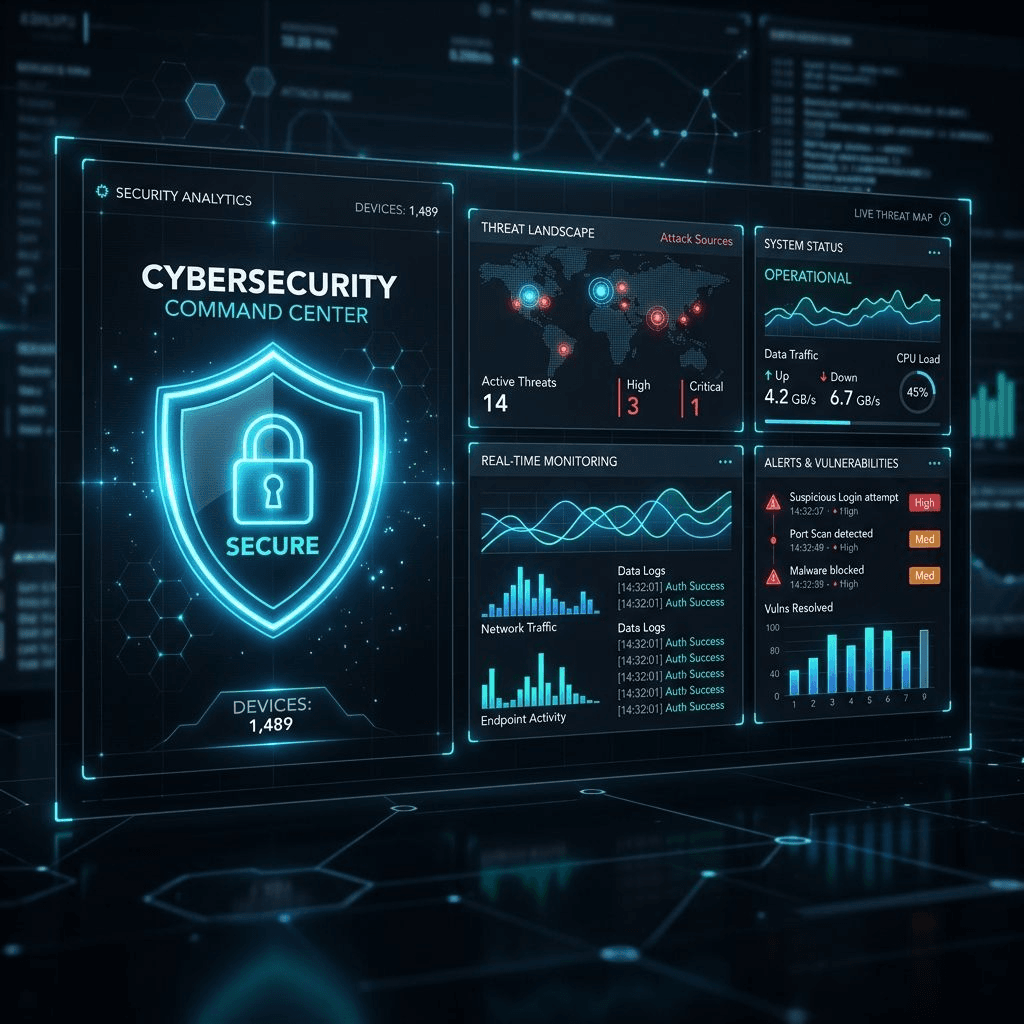
Security is not just a feature; it's a product experience. When people feel overwhelmed, they abandon security tools, even if those tools are powerful.
One of the biggest issues in cybersecurity today is 'Security Fatigue.' Users are constantly bombarded with complex alerts, permission prompts, and warnings that they do not fully understand. When interfaces fail to communicate risk in human-readable terms, users tend to bypass warnings altogether to get back to their workflow. To build truly effective protection, designers must focus on reducing friction and building a visual hierarchy that guides rather than intimidates.
Good product design for cybersecurity means reducing friction, making protection visible, and helping users make sensible choices without fear. This starts with three core design principles: contextual guidance (explaining why a permission is needed right when it is requested), micro-feedback (visual confirmations that data is encrypted or a link is safe), and seamless recovery patterns that do not leave users locked out of their digital lives.
We also need to pay attention to visual styling and emotional design. The color systems, layouts, and animations we choose directly influence a user's sense of security. Implementing smooth, stable micro-animations when a system scan is complete, and using a balanced, professional color palette (like warm grays, deep blues, and clear highlights instead of alarming bright reds) helps establish a reliable, calm user experience.
In this article, we explore how building security around everyday habits makes protection invisible yet robust. By integrating security steps naturally into user behaviors, we can protect digital identities without disrupting daily work, ensuring that safety is always the default state.